Commercial Solar Systems for Warehouses, Offices & Retail Buildings: What to Know
Businesses across Maryland, Washington DC, and Northern Virginia are increasingly evaluating commercial solar systems as utility costs continue to rise and long-term energy planning becomes more important. Before discussing incentives, financing structures, or installation timelines, most commercial property owners first want to know one thing:
Can my building realistically support solar?
The answer depends on several factors, including roof condition, structural capacity, electrical infrastructure, building energy usage, and overall system design. Every commercial property is different, which is why a building-specific solar feasibility evaluation is one of the most important steps in the process.
Aurora Energy works with commercial property owners throughout the Mid-Atlantic to evaluate rooftop suitability, projected energy production, and long-term system performance for warehouses, office buildings, retail centers, manufacturing facilities, and other commercial properties.
How Commercial Solar Systems Are Sized for Different Buildings
Commercial solar systems are designed around a building’s energy consumption profile and available installation space.
The process typically starts with analyzing historical utility usage to understand:
- Annual kWh consumption
- Seasonal energy fluctuations
- Future expansion plans
A commercial solar system is usually sized to offset a portion or in some cases nearly all of the building’s yearly electricity usage.
For example, a warehouse operating mostly during daytime hours may have a very different solar production profile than an office building with high HVAC demand or a retail property with extended evening operations.
Commercial solar system design also includes energy production modeling. Production estimates evaluate how much electricity the system can generate annually based on:
- Roof orientation
- Tilt angle
- Local weather conditions
- Shading exposure
- Equipment efficiency
Performance modeling helps businesses understand expected energy offset percentages and long-term production expectations before construction begins.
In Maryland, Washington DC, and Northern Virginia, utility rate structures and demand charges can significantly influence how a commercial solar system is sized and engineered.
What Rooftop Load Analysis & Structural Review Involves
One of the most important parts of a commercial rooftop solar evaluation is determining whether the building can safely support the additional system weight and attachment requirements.
A rooftop load analysis is a structural engineering review that evaluates:
- Roof framing and support structure
- Existing roof age and condition
- Weight distribution across the solar array
- Wind and snow loading requirements
- Penetration strategy and waterproofing considerations
Commercial roof suitability varies significantly between properties.
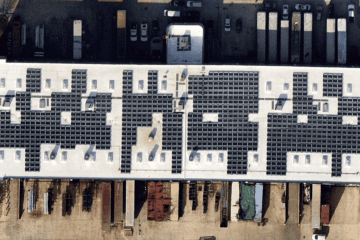
Large flat warehouse roofs often provide ideal installation conditions because they typically offer broad, uninterrupted roof space with fewer obstructions. Office buildings and retail centers may have more rooftop HVAC equipment, elevation changes, or limited usable roof areas that affect system layout.
In some cases, electrical infrastructure upgrades may also be necessary. Older commercial buildings may require switchgear upgrades, panel replacements, or utility coordination before a commercial PV system can be interconnected safely.
Utility interconnection is the process of connecting a commercial solar system to the local electrical grid so excess electricity can either be credited or distributed according to local utility requirements.
Aurora Energy manages commercial solar engineering evaluations throughout Maryland, Washington DC, and Northern Virginia, including coordination with structural engineers, electrical engineers, permitting agencies, and regional utilities.
How Equipment Selection Impacts Long-Term Performance
The long-term performance of a commercial solar power system depends heavily on equipment selection and overall system engineering.
Commercial solar panel systems typically include:
- Solar modules (panels)
- Inverters
- Racking systems
- Monitoring software
- Electrical balance-of-system components
Inverter selection plays a major role in overall system efficiency and reliability. Inverters convert the DC electricity produced by solar panels into usable AC electricity for the building and utility grid.
Monitoring software is also critical for commercial properties. Modern monitoring platforms allow facility managers and ownership groups to track:
- Real-time energy production
- System uptime
- Equipment performance
- Historical generation trends
- Maintenance alerts
Higher-efficiency solar panels may improve production density on buildings with limited roof space, while larger warehouse roofs may prioritize long-term economics and system durability.
Commercial solar array engineering should always balance production goals, equipment availability, long-term serviceability, and regional environmental conditions.
Why Building Type Impacts Solar Design
Different commercial facilities require different solar design strategies.
Warehouse Solar Panels
Warehouses are often ideal candidates for commercial rooftop solar because they typically feature:
- Large flat roofs
- Minimal rooftop obstructions
- Consistent daytime energy usage
- Strong economies of scale
Warehouse solar systems are commonly designed to maximize rooftop utilization while maintaining roof access pathways and minimizing shading.
Office Building Solar Panels
Office buildings often align well with daytime solar production because HVAC and occupancy loads typically peak during business hours.
However, rooftop equipment such as HVAC systems and ventilation units can reduce usable installation space and complicate solar array layouts.
Retail Building Solar Panels
Retail properties may experience extended evening electricity demand, which can affect energy offset calculations.
Some retail properties also explore parking canopy solar systems in addition to rooftop installations to increase available production area.
Manufacturing Facility Solar Panels
Manufacturing facilities often require more detailed energy modeling due to process equipment, variable production schedules, and higher demand charges.
These projects frequently involve more advanced electrical infrastructure coordination and system engineering.
When to Schedule a Building-Specific Commercial Solar Assessment
Many businesses begin evaluating commercial solar systems during periods of operational change or rising utility costs.
Common triggers include:
- Roof replacement planning
- Facility expansion
- ESG or sustainability initiatives
- Long-term operational budgeting
- Rising electricity rates
- Lease renewal evaluations
A commercial solar feasibility study can help determine whether a building is a strong candidate for solar and what type of system configuration makes the most sense operationally and financially.
Businesses throughout Maryland, Washington DC, and Northern Virginia may also face different permitting requirements, utility interconnection timelines, and incentive structures depending on jurisdiction and utility territory.
Regional experience matters because utility coordination and permitting processes often vary significantly between counties and utilities.
Aurora Energy manages engineering, permitting, and utility coordination for commercial solar projects across the Mid-Atlantic region.
Frequently Asked Questions
Can my warehouse roof support solar?
Many warehouse roofs are excellent candidates for commercial rooftop solar, but a structural engineering review is still required to verify load capacity, roof condition, and attachment feasibility.
How much power can a commercial solar system generate?
Production depends on factors such as roof size, equipment selection, shading conditions, and geographic location. Commercial solar production modeling helps estimate annual kWh generation and expected energy offset percentages.
What size solar system does my building need?
System sizing depends on annual electricity usage, available installation area, utility requirements, and long-term operational goals. A commercial solar assessment typically begins with utility bill analysis and rooftop evaluation.
How long does commercial solar installation take?
Commercial solar timelines vary depending on project size, permitting requirements, utility coordination, and equipment lead times. In Maryland, Washington DC, and Northern Virginia, utility interconnection review timelines can also affect overall project schedules.
Request a Commercial Solar System Assessment
Aurora Energy provides commercial solar feasibility evaluations and EPC services for warehouses, office buildings, retail centers, manufacturing facilities, and commercial properties throughout Maryland, Washington DC, and Northern Virginia.
If your organization is evaluating commercial rooftop solar, a building-specific assessment can help determine:
- Rooftop structural suitability
- Expected energy production
- Utility offset potential
- Electrical infrastructure requirements
- Long-term system feasibility
A properly engineered commercial solar system starts with understanding the building itself.